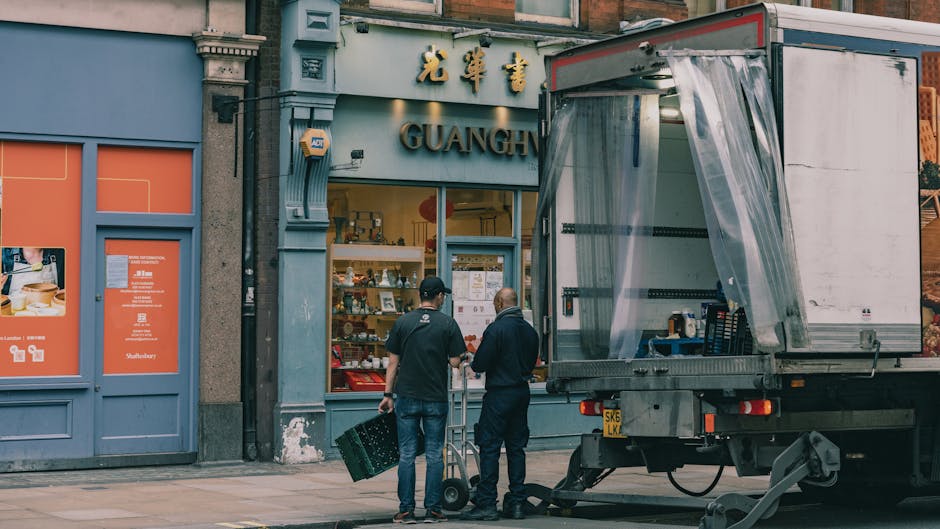
Guildford High Street shop removals for small businesses
If you run a shop on Guildford High Street, you already know the rhythm of the place: early deliveries, awkward loading windows, footfall that changes by the hour, and not much room for error. So when a move is on the horizon, Guildford High Street shop removals for small businesses become less about "moving things" and more about keeping the business trading, protecting stock, and avoiding a messy interruption. Truth be told, that is the part most owners feel in their stomach first.
This guide walks through what shop removals actually involve, how the process works in a busy town-centre setting, what to plan for, and the little details that save you from the usual last-minute scramble. You will also find practical comparisons, a checklist, and straight answers to common questions. No fluff. Just the stuff you need when time is tight and the shop still has to open at nine.
Table of Contents
- Why Guildford High Street shop removals for small businesses matters
- How Guildford High Street shop removals for small businesses works
- Key benefits and practical advantages
- Who this is for and when it makes sense
- Step-by-step guidance
- Expert tips for better results
- Common mistakes to avoid
- Tools, resources and recommendations
- Law, compliance, standards, or best practice
- Options, methods, or comparison table
- Case study or real-world example
- Practical checklist
- Conclusion
- Frequently asked questions
Why Guildford High Street shop removals for small businesses Matters
A High Street move is not the same as a warehouse shift or a house move with a few extra boxes. On Guildford High Street, space is tighter, access can be trickier, and timing matters more than people expect. If your business relies on walk-in trade, even a short delay can affect sales, customer trust, and staff stress levels.
For a small business, the stakes are practical and immediate. A florist with chilled stock, a boutique with fragile displays, a salon with mirrors and styling chairs, or a specialist retailer with high-value items all need different handling. One size does not fit all. That sounds obvious, but many move plans still start with a vague "we'll sort it on the day" approach. And that is where the trouble begins.
Guildford itself adds a few local realities. Town-centre loading restrictions, pedestrian flow, neighbouring traders, and the simple fact that customers still need somewhere to walk all shape the move. Good shop removals protect more than furniture; they protect trading reputation. You want the shop to feel operational again fast, not like a building site with receipts.
Expert summary: The best shop moves are rarely the biggest. They are the ones planned around access, stock priority, opening hours, and realistic downtime. In other words, a calm move is usually a well-briefed move.
How Guildford High Street shop removals for small businesses works
A well-run retail move usually follows a simple pattern, though the details change depending on stock, premises size, and how much needs dismantling. The work often begins with a survey or a detailed phone consultation. That first conversation should cover access, parking, building layout, item weight, fragile goods, and whether you need packing support as well as transport.
From there, the mover should map out the sequence. That may mean packing non-essential stock first, removing display fixtures later, and moving critical systems such as card terminals, tills, or computer equipment in a final priority run. If the shop is staying open during part of the process, the order becomes even more important. Nobody wants the till desk buried behind a pallet of stock when you still have customers wandering in.
For many small retailers, the job sits somewhere between a removal service and an operational project. There may be shelving to dismantle, stock to label, boxes to stack by department, and a new site that needs items placed in a sensible order rather than dumped in the nearest corner. Small details matter. Which box holds everyday stock? Which fixtures go near the wall? Which items should never be packed with heavy goods? Those questions save time later.
If you are comparing support options, it helps to understand the difference between broader removal services and more specific commercial support such as commercial moves or office relocation services. Retail moves are their own beast, but these pages can help you think through the level of support you may need.
Sometimes a shop move is completed in one planned window. Sometimes it is split across evenings, a quiet trading day, or a same-day run if the lease timing is awkward. There is no perfect format. The right method is the one that fits your site, stock, and opening hours without causing avoidable chaos.
Key Benefits and Practical Advantages
There is the obvious benefit: your stock and equipment get from A to B. But the real value of a professional shop removal goes further than transport. A good setup reduces stress, protects income, and gives you a much better chance of reopening on schedule.
- Less downtime: careful planning shortens the gap between packing up and trading again.
- Better stock protection: fragile items, cosmetics, glassware, and high-value stock are handled with more care.
- Cleaner organisation: labelled boxes and staged loading make unpacking quicker. Much quicker, if done properly.
- Lower risk of damage: fixtures, floors, walls, and stockroom equipment are less likely to get scratched or knocked.
- Reduced staff disruption: your team can keep serving customers, not spend all day wrestling with tape and trolleys.
- Better compliance and safety: lifting, parking, and access are managed more sensibly.
One practical advantage often missed is customer perception. A move that looks controlled and professional sends a message that the business knows what it is doing. A disorganised handover does the opposite. In a place like Guildford High Street, where reputation travels quickly, that matters.
There is also the simple relief of not having to improvise. Anyone who has tried to move a full shop while answering calls, reprinting labels, and hunting for the last roll of bubble wrap knows the feeling. It is not fun. Not even a little bit.
Who This Is For and When It Makes Sense
Guildford High Street shop removals are a strong fit for small businesses that need more than a man-and-van drop-off but do not require a huge corporate logistics operation. That usually includes independent retailers, salons, cafes with retail stock, specialist stores, gift shops, pop-up operators, and service businesses with front-of-house equipment.
This kind of move makes sense when you are:
- changing units on or near Guildford High Street
- expanding to a larger premises
- downsizing and need to move stock efficiently
- closing one site and merging stock into another
- refurbishing the current shop and need a temporary clear-out
- relocating because the lease is ending or rent has changed
It may also make sense if you are moving at awkward times. Early morning, late evening, or over a tight turnaround are all common in retail. A local operator who understands small-business timings can help you make the move around trading, rather than forcing trading around the move.
For some businesses, the move is mainly about furniture and fixtures. For others, it is stock-heavy and slightly chaotic in the best possible way. If your shelves are full and your back room looks like a small packing depot, then yes, professional support is probably worth it.
Step-by-Step Guidance
Here is the part that saves most headaches: a clear sequence. Not glamorous, but very effective.
1. Walk the shop and list what is moving
Start with a practical inventory. Separate stock, fixtures, IT equipment, signage, paperwork, cleaning supplies, and anything fragile or high value. A quick room-by-room list is usually enough to expose problems early. That awkward shelving unit in the corner? Note it now, not the morning of the move.
2. Measure access and loading conditions
Check doorway widths, stair turns, lift access if relevant, nearby parking, and the distance from the shopfront to the vehicle. On a busy street, that final few metres can matter as much as the whole journey. If you have large mirrors, glass cabinet panels, or long display units, measure twice. Then check again.
3. Decide what needs packing support
Some items can be packed in-house. Others should be packed by trained handlers. Fragile stock, branded merchandise, point-of-sale items, and electronic equipment often benefit from extra protection. If you need help with this stage, look at packing and unpacking services or packing and boxes so the move is not held together with last-minute guesswork.
4. Plan the order of removal
Move non-essential stock first, then items you can live without for a few hours, then essential kit last. If you need to keep the business trading during part of the process, create a "must stay live" list. This often includes the card reader, till, broadband equipment, and core sale items.
5. Label by department or destination zone
Labels should be simple and readable. Use categories like "front display", "stockroom", "counter", "upstairs storage", or "new branch window display". Your future self will be grateful. Probably around 7:30 the next morning.
6. Protect the premises as well as the stock
Floors, corners, door frames, and glass should be protected where needed. This is especially useful in older properties or units with narrow access. Damage to the premises can be more frustrating than the move itself, because it creates a second job nobody asked for.
7. Confirm the move-day timetable
Set a start time, a load order, a finishing window, and who is responsible for keys and access. If several people are involved, keep it written down. A move without timings becomes one of those "where did everyone go?" mornings. Not ideal.
8. Reopen in a sensible order
At the destination, start with essentials: till, stock for immediate sale, customer-facing fixtures, and safety-critical items. Then move to backstock, seasonal stock, and non-urgent items. It is tempting to unpack everything at once. Don't. Better to be organised than heroic.
Expert Tips for Better Results
In our experience, the best retail moves often come down to a few small habits done well. Nothing dramatic. Just disciplined, boring, effective habits.
- Build a "first hour" box: include tape, scissors, charger cables, till essentials, basic tools, and a notepad.
- Photograph displays before dismantling: it saves time when rebuilding the layout later.
- Keep one person in charge: too many voices can slow things down and create crossed wires.
- Separate stock by priority: fast-moving items should never end up buried under seasonal decorations.
- Use stronger boxes than you think you need: retail stock has a habit of getting heavier than it looks.
- Leave a buffer in the schedule: a little slack can rescue the whole day if access is delayed.
A small but useful tip: keep a written list of what stays with the business owner on the day, such as keys, cash floats, device passwords, signed documents, and insurance paperwork. It sounds obvious. People still forget. More often than they admit.
If you are moving valuable furniture or specialist display pieces, it may help to review furniture removals and, if storage is needed between locations, storage. That combination can make a tight transition much easier to manage.
And a slightly human aside: the move will feel faster if the paperwork is sorted before the last box is shut. Always. Every time. Strange, but true.
Common Mistakes to Avoid
Most retail move problems are not dramatic disasters. They are small, avoidable errors that stack up. A broken system, a missing label, the wrong vehicle size, one missed access restriction, and suddenly the day has gone sideways.
- Underestimating access constraints - High Street loading is not the same as suburban kerbside parking. Check restrictions carefully.
- Leaving packing until the final day - this usually leads to rushed labels and mixed stock.
- Not separating fragile and heavy items - glass and weight do not always get along.
- Forgetting about opening-hours pressure - even a short delay can affect trading and customer satisfaction.
- Ignoring electrical and data equipment - tills, routers, printers, and payment devices need a tidy plan.
- Assuming the new shop layout will "sort itself out" - it won't. It usually needs a bit of thought.
One of the biggest mistakes, oddly enough, is overpacking boxes. It feels efficient until someone has to carry them down a staircase or through a tight doorway. Then it becomes a comedy sketch without the laugh track.
Another common issue is unclear ownership. Who is clearing stock? Who is disconnecting the terminal? Who has the inventory list? If the answer is "everyone," the answer is really "nobody."
Tools, Resources and Recommendations
The right tools do not make the move fancy, just smoother. For a small retail move, the basics often matter most.
- Strong cartons and crates: for stock, paperwork, and small displays
- Protective wrap and padding: for glass, mirrors, and electronics
- Labels and marker pens: simple, bold, and consistent
- Furniture blankets: useful for counters, shelving, and delicate finishes
- Trolleys and moving equipment: especially helpful where access is tight
- Inventory sheet or spreadsheet: keep it simple and usable
If you want a broader picture of service levels, it can help to compare man and van, removal van, and moving truck options. Small shop moves do not always need a huge vehicle, but they do need the right vehicle for access, volume, and loading order.
For businesses that are trying to keep disruption low, same-day removals can be worth considering when timing is tight. That said, same-day only works well when the packing, access, and inventory are already under control. It is not a magic wand.
And if you are moving stock that will not fit on-site right away, a short-term storage plan can prevent clutter and reduce pressure during handover. Little buffer. Big relief.
Law, Compliance, Standards, or Best Practice
Retail removals involve practical compliance rather than complex legal theory, but the duties are still real. In the UK, businesses should take sensible steps to protect workers, contractors, customers, and the public during the move. That includes safe lifting, clear access, and avoiding blocked exits or hazardous stacking.
For small businesses, the main best-practice points usually include:
- keeping walkways clear for staff and the public
- using suitable equipment for heavy or awkward items
- briefing everyone involved on the move plan
- making sure electrical items are disconnected safely
- checking insurance cover before moving day
- protecting stock and premises from avoidable damage
It is also sensible to review relevant business documents in advance, especially where liability, access, payment terms, and service expectations are concerned. If you want to understand the company-side policies that sit behind the move, pages such as insurance and safety, health and safety policy, terms and conditions, and payment and security are useful reference points.
There is a simple rule here: if something looks risky on paper, it usually feels riskier on the day. Better to slow down and handle it properly than to rush and create a problem that follows you into the next week.
Options, Methods, or Comparison Table
Not every move needs the same level of support. Here is a practical comparison of common approaches for small shop relocations.
| Method | Best for | Pros | Trade-offs |
|---|---|---|---|
| Self-managed move | Very small stock levels, minimal fixtures, low-risk items | Lower direct cost, full control | More time, more stress, greater risk of damage or delay |
| Man and van support | Compact shop moves, quick local transfers, lighter loads | Flexible, often efficient for small businesses | May not suit heavy fixtures or complex dismantling |
| Full commercial move | Busier retail units, more stock, fixtures, and planned staging | Structured, organised, less disruption | Usually costs more than a simple transport-only job |
| Split move with storage | Refits, lease gaps, phased reopening | More breathing room, less pressure on handover day | Requires more coordination and extra handling |
For many Guildford High Street shops, the sweet spot is somewhere between man-and-van flexibility and proper commercial planning. You want enough structure to protect the business, but not so much machinery that the move becomes over-engineered.
Case Study or Real-World Example
Consider a small independent gift shop moving from one High Street unit to another just a short distance away. The distance is not the issue. The issue is everything else: display stock, seasonal items, fragile stock, a counter with point-of-sale equipment, and a back room that has somehow become a mini warehouse.
In a sensible move plan, the owner starts by separating what needs to stay available until closing time from what can be packed early. Decorative stock and slow-selling items go first. The till, card reader, and a few core sale items are left until the final collection window. Shelving is photographed before dismantling, and boxes are labelled by display zone rather than just "miscellaneous", which is the label that causes regret later.
On the day, the team loads in the order planned. The new shop receives fixtures first so the layout can be rebuilt before the stock arrives. That means the owner can start merchandising almost immediately rather than stacking boxes in the aisle and hoping inspiration strikes. The result is not perfect, because real moves rarely are, but it is orderly. And orderly is a beautiful thing on a relocation day.
That kind of approach is especially useful for small businesses because it keeps the business owner focused on trade, not just transport. It also reduces the chance of reopening with missing labels, misplaced stock, or a display that looks like it lost an argument.
Practical Checklist
Use this as a quick pre-move checklist. It is deliberately practical, not decorative.
- Confirm moving date, access times, and any loading restrictions
- List all stock, fixtures, and equipment to be moved
- Separate essential trading items from non-essential items
- Label boxes by department, shelf, or destination zone
- Photograph displays and shelving before dismantling
- Protect fragile items with suitable packing materials
- Back up critical business data and save key passwords securely
- Arrange disconnection for electrical or data equipment if needed
- Check insurance and safety responsibilities in advance
- Set aside a first-hour box with tools, chargers, tape, and essentials
- Plan the reopening order for the new premises
- Keep keys, documents, and contact numbers in one secure place
If you tick those off in a calm order, the move gets much easier. Not painless - let's be honest, shop moves are never entirely painless - but easier and far more manageable.
Get a free quote today and see how much you can save.
Conclusion
Guildford High Street shop removals for small businesses are about more than moving stock from one address to another. They are about protecting the trade you have built, keeping staff steady, and making sure the next opening day feels like a step forward rather than a recovery mission.
If you plan the move properly, keep the packing simple, respect access limits, and choose support that fits the size of the job, the whole process becomes far less daunting. You do not need perfection. You need clarity, timing, and a sensible method that keeps the business moving even while the shop itself is on the move.
And once the last box is in place, there is a strangely satisfying moment when the space starts to feel like yours again. That is the bit worth working towards.
Frequently Asked Questions
What is included in Guildford High Street shop removals for small businesses?
It usually includes packing support, loading, transport, unloading, and careful handling of shop stock, fixtures, and equipment. Some moves also include dismantling, unpacking, and short-term storage.
How far in advance should I book a shop removal?
As soon as you know your moving date. Small retail moves can sometimes be arranged quickly, but a little lead time helps with access planning, packing, and any special handling requirements.
Can a shop move be done outside trading hours?
Yes, and that is often a sensible option for busy High Street businesses. Early morning or evening moves can reduce customer disruption, provided access and building rules allow it.
Do I need packing help for stock and display items?
If you have fragile, valuable, or awkward items, packing help is often worth it. It reduces damage risk and can make unpacking much faster at the new premises.
What should I do with items I do not need immediately?
Set them aside for later transport or storage. A phased move is often easier than trying to squeeze everything into one rush. Storage can be useful if the new shop is not ready straight away.
How do I prepare a small shop for moving day?
Make an inventory, label boxes clearly, separate essentials, photograph displays, and confirm access details. Keep keys, documents, and contact numbers easy to reach.
What kind of vehicle is usually needed?
That depends on the volume and the access. A compact man-and-van setup may suit a small unit, while larger retail stock or heavier fixtures may need a bigger vehicle or a more structured commercial move.
How can I reduce downtime during the move?
Pack in stages, move essential equipment last, and rebuild the new shop in priority order. Good labelling and a clear move plan are usually the biggest time-savers.
Is short-term storage useful for shop relocations?
Yes, especially if there is a gap between handover and reopening, or if the new premises are not ready for everything at once. It gives you breathing room and avoids clutter.
What are the most common problems with retail removals?
The usual issues are poor labelling, underestimated access restrictions, overpacked boxes, and unclear responsibility for key equipment. Most of these can be avoided with a simple plan.
Should I move fixtures and stock together or separately?
Usually separately, unless the layout is very simple. Moving fixtures first helps create a clear working space for stock and makes it easier to rebuild the shop in order.
How do I know if my move needs commercial removal support?
If the move involves stock, equipment, fixtures, access planning, or downtime concerns, commercial support is often the safer choice. If it is just a few boxes, simpler transport may be enough.